The Tax Revenue Explosion: What It Means for Your Refund
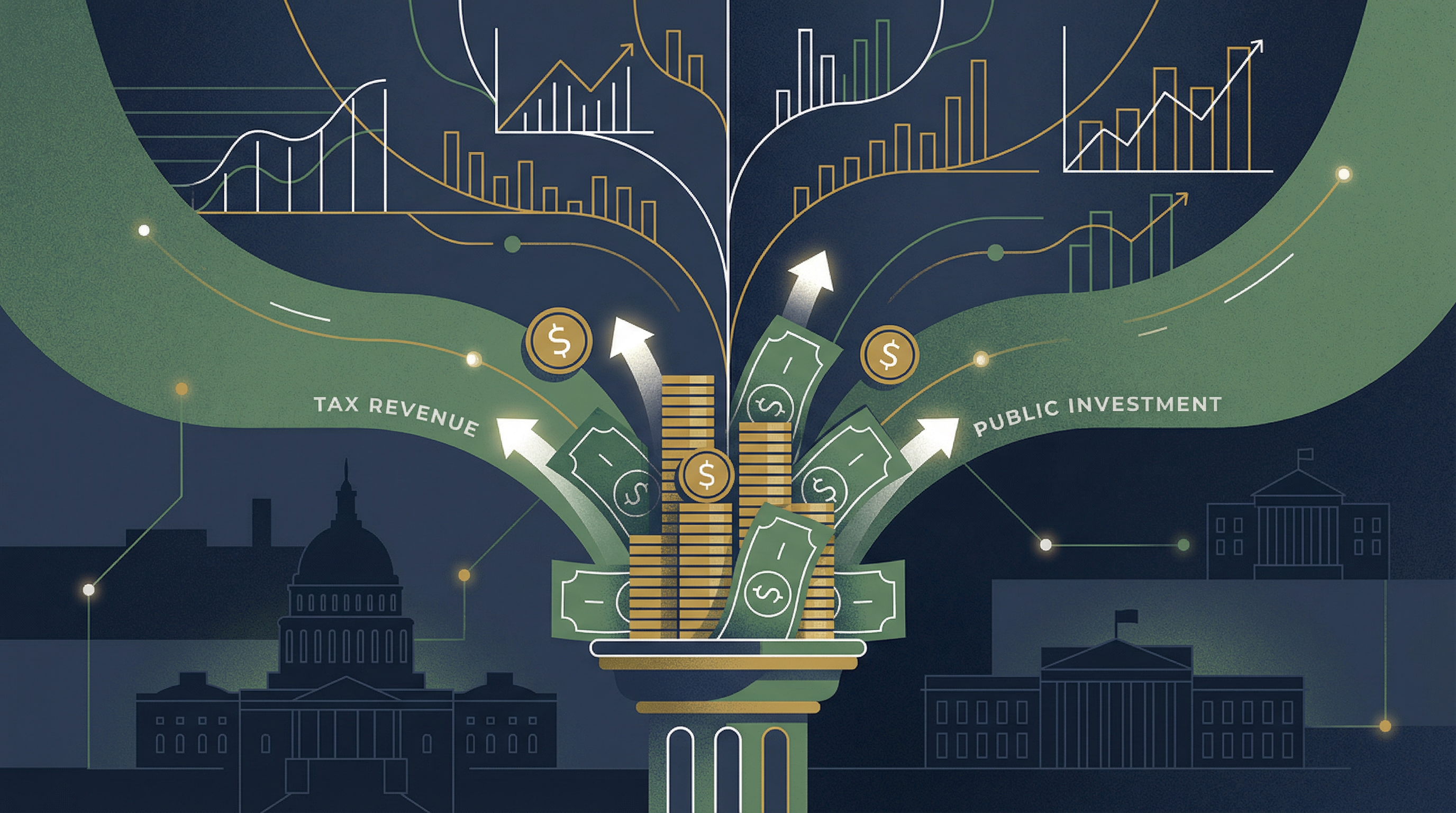
Federal tax collections have reached unprecedented levels, with the IRS reporting record-breaking revenue for the fiscal year. While government coffers are fuller than ever, many taxpayers are left wondering: what does this massive increase in tax revenue mean for me? Let's break down the numbers and explore the implications for your wallet.
The Numbers Behind the Headlines
The federal government collected over $4.9 trillion in tax revenue in fiscal year 2025, representing a 12% increase from the previous year. This surge comes from multiple sources: strong employment numbers leading to higher payroll tax collections, increased capital gains taxes from a robust stock market, and enhanced IRS enforcement capabilities following increased funding and modernization efforts.
Breaking down the revenue sources: Individual income taxes account for approximately $2.7 trillion (55% of total revenue), payroll taxes contribute $1.6 trillion (33%), corporate income taxes add $450 billion (9%), and other sources make up the remaining 3%. Each category has seen significant growth, but individual income taxes have driven the largest absolute increase.
The IRS has also become significantly more efficient at collecting taxes owed. Enhanced technology, increased staffing, and improved data analytics have led to better detection of unreported income and faster processing of returns. This modernization effort has contributed an estimated $100 billion in additional revenue through improved compliance and reduced tax evasion.
Why Tax Collections Are Soaring
Several factors have converged to create this revenue boom. First, the strong labor market has meant more Americans are working and earning higher wages, particularly in high-paying sectors like technology, finance, and healthcare. Unemployment remains near historic lows, and wage growth has outpaced inflation in many industries.
Second, investment income has surged. The stock market's strong performance over the past several years has generated substantial capital gains, which are taxed when investors sell appreciated assets. Real estate values have also increased in many markets, leading to higher property tax collections at the state and local levels, and capital gains taxes when properties are sold.
Third, the gig economy and remote work have expanded the tax base. More Americans are earning income from multiple sources, and improved reporting requirements for platforms like ride-sharing services, online marketplaces, and payment processors have made it harder for income to go unreported.
Finally, corporate profits have reached record levels, translating to higher corporate income tax collections despite relatively low corporate tax rates. Strong consumer spending and business investment have driven corporate earnings growth across multiple sectors.
The Spending Side of the Equation
While tax revenue has surged, federal spending has increased even more dramatically. The federal budget for fiscal year 2025 exceeded $6.5 trillion, creating a deficit of approximately $1.6 trillion. This means that despite record tax collections, the government is still spending significantly more than it takes in.
Where does the money go? The largest expenditures include Social Security ($1.4 trillion), Medicare and Medicaid ($1.5 trillion combined), defense spending ($850 billion), and interest on the national debt ($640 billion). Discretionary spending on education, infrastructure, research, and other programs accounts for the remainder.
The growing national debt—now exceeding $36 trillion—means an increasing portion of tax revenue goes simply to paying interest on money borrowed in the past. This "interest expense" has become the fastest-growing category of federal spending, consuming dollars that could otherwise fund programs or reduce taxes.
What This Means for Your Tax Refund
The relationship between government tax revenue and individual refunds is more complex than it might seem. Your refund amount depends primarily on how much you had withheld from your paychecks throughout the year compared to your actual tax liability—not on how much the government collected overall.
However, the revenue surge does have indirect effects on taxpayers. Higher tax collections might reduce pressure for tax increases in the near term, though the persistent deficit suggests this reprieve may be temporary. Additionally, the IRS's improved capabilities mean faster refund processing for most taxpayers—the average refund is now issued in less than 21 days for electronically filed returns with direct deposit.
For the 2025 tax season, here's what to expect:
- •Faster processing: The IRS's technology upgrades mean quicker refunds and better customer service, with expanded online tools for checking refund status and resolving issues.
- •Increased scrutiny: Enhanced enforcement capabilities mean greater likelihood of audits for returns with red flags, particularly for high earners and those claiming substantial business deductions.
- •Better accuracy: Improved data matching between IRS records and third-party reports (W-2s, 1099s, etc.) means errors are caught faster, potentially delaying refunds if discrepancies are found.
- •Standard deduction increases: Inflation adjustments have raised the standard deduction to $15,000 for single filers and $30,000 for married couples, potentially increasing refunds for many taxpayers.
Strategic Tax Planning in a High-Revenue Environment
While you can't control overall government revenue or spending, you can optimize your personal tax situation. The current environment presents both opportunities and challenges for strategic tax planning.
Maximize deductions and credits: With the IRS's improved systems, claiming all legitimate deductions and credits is more important than ever. Common overlooked deductions include home office expenses for self-employed individuals, educational expenses, charitable contributions, and state and local taxes (up to the $10,000 cap).
Consider tax-advantaged accounts: Contributing to 401(k)s, IRAs, HSAs, and 529 plans can reduce your current tax liability while building long-term savings. For 2025, 401(k) contribution limits have increased to $23,500 ($31,000 for those 50 and older), and IRA limits are $7,000 ($8,000 for those 50+).
Review withholding: If you consistently receive large refunds or owe significant amounts at tax time, adjusting your W-4 withholding can help you keep more money in your paycheck throughout the year rather than giving the government an interest-free loan.
Stay compliant: With enhanced IRS enforcement, ensuring accurate reporting is crucial. Keep detailed records, report all income sources (including gig economy earnings, investment income, and cryptocurrency transactions), and consider professional tax preparation for complex situations.
Looking Ahead: Future Tax Policy Implications
The current revenue surge, combined with persistent deficits, sets the stage for ongoing tax policy debates. Some policymakers argue that high revenue demonstrates the economy's strength and creates room for tax cuts or expanded programs. Others contend that even with record collections, the deficit requires either spending cuts or tax increases to achieve fiscal sustainability.
Several major tax provisions are set to expire in the coming years, including elements of the Tax Cuts and Jobs Act. Decisions about whether to extend, modify, or allow these provisions to expire will significantly impact taxpayers across all income levels. Additionally, proposals for new taxes on wealth, carbon emissions, or financial transactions continue to be debated.
For individual taxpayers, staying informed about these policy discussions and understanding how potential changes might affect your situation is essential for long-term financial planning. Working with a qualified tax professional can help you navigate both current tax obligations and prepare for future changes.
Maximize Your Refund This Tax Season
Understanding how tax policy and government revenue affect your personal finances can be complex. The Greene Firm's experienced tax professionals can help you navigate the current tax landscape, identify opportunities to reduce your tax liability, and ensure you're getting every dollar you deserve in your refund.